Circular Economy Promotion
Circular Economy Promotion
Circular Economy Promotion
Go Green, Go Circular
Circular Learning Center
DropBin Center
Community-based Circular Programs
Go Green, Go Circular Campaign
Introduction
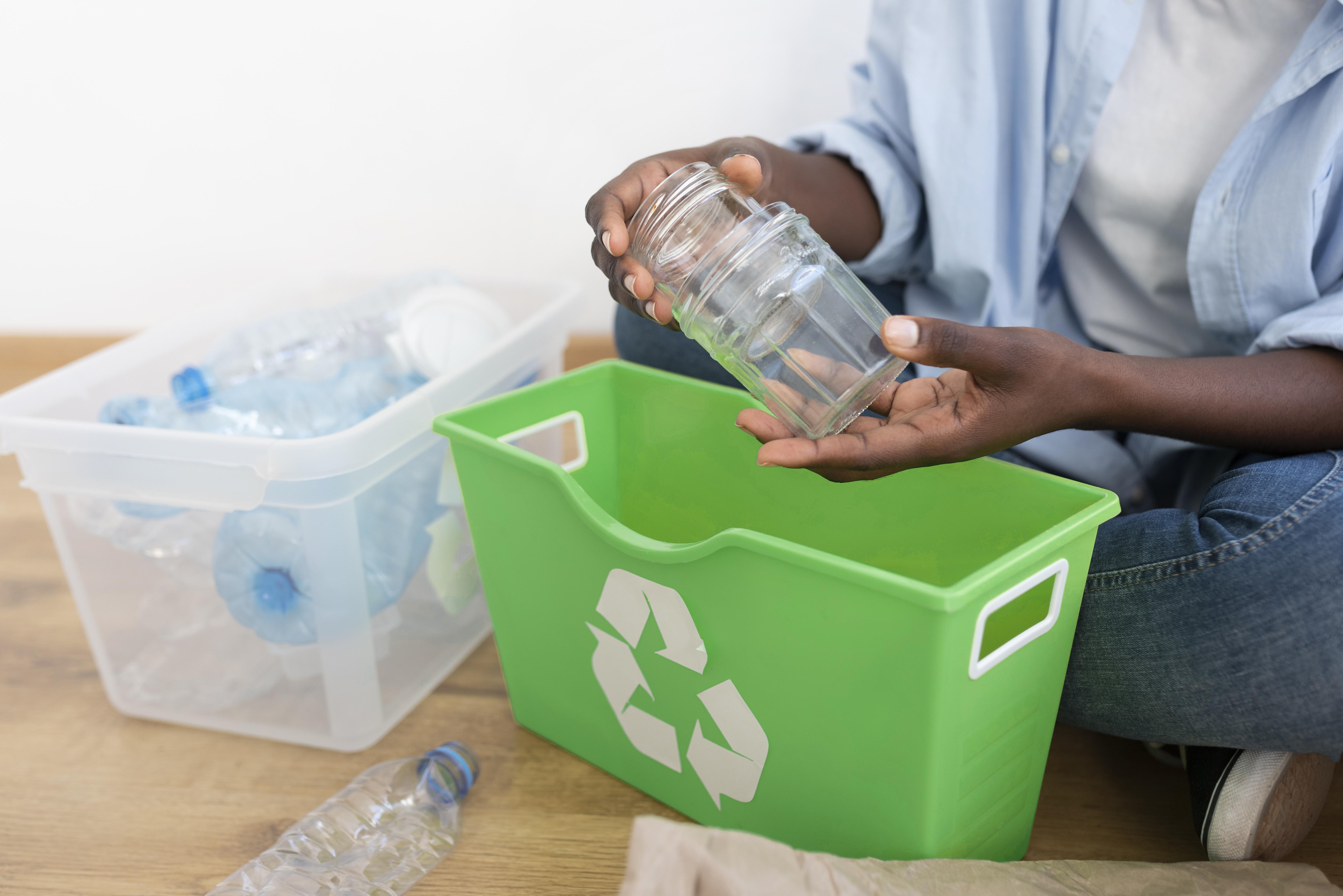
Waste mismanagement affects health, the environment, and community dignity. A Circular Economy approach recognizes waste as a resource, not a burden. This policy and training manual provides guidance on how institutions can adopt simple, low-cost, and effective waste sorting practices that promote environmental care, learning, and social responsibility.
Purpose of the campaign
This Campaign aims to:
Promote responsible waste management practices
Encourage waste sorting at the source
Support environmental protection and cleanliness
Create opportunities for learning, income generation, and community engagement
Build a culture of responsibility, discipline, and stewardship
Guiding Principles
Environmental Stewardship: Caring for the environment is a shared responsibility
Waste as a Resource: Properly sorted waste has value and purpose.
Source Separation: Waste must be sorted where it is generated.
Inclusiveness and Participation: Everyone has a role to play.
Recognition and Accountability: Good practices should be encouraged and recognized.
The circular Promotion Campaigns ( 3 phases )
Campaign focus: mindset change and environmental awareness.
Phase 1
Sort & Save Campaign
Objective: Reduce waste-related costs and improve cleanliness.
Practices:
Separate waste into:
Organic waste (food leftovers)
Recyclables (plastic, paper, metal, glass)
Residual waste
Use organic waste for compost where possible
Reduce mixed waste disposal
Expected results:
Cleaner compounds
Lower waste collection costs
Improved hygiene
Phase 2
Sort & Sell Campaign
Objective: Create economic and social value from waste.
Practices:
Collect and store recyclables safely
Partner with recyclers or waste cooperatives
Use proceeds for:
School activities
Community projects
Charity or social support
Expected results:
Practical learning opportunities
Support for green livelihoods
Increased appreciation of waste value
Phase 3
Sort & Star Campaign
Objective: Motivate behavior change through recognition.
Practices:
Recognize clean classrooms, groups, or congregations
Display environmental awards or certificates
Share success stories publicly
Expected results:
Increased motivation
Peer learning and leadership
Pride in environmental responsibility
Go Green, Go Circular
Circular Learning Center
DropBin Center
Community-based Circular Programs
Go Green, Go Circular Campaign
Introduction
Waste mismanagement affects health, the environment, and community dignity. A Circular Economy approach recognizes waste as a resource, not a burden. This policy and training manual provides guidance on how institutions can adopt simple, low-cost, and effective waste sorting practices that promote environmental care, learning, and social responsibility.
Purpose of the campaign
This Campaign aims to:
Promote responsible waste management practices
Encourage waste sorting at the source
Support environmental protection and cleanliness
Create opportunities for learning, income generation, and community engagement
Build a culture of responsibility, discipline, and stewardship
Guiding Principles
Environmental Stewardship: Caring for the environment is a shared responsibility
Waste as a Resource: Properly sorted waste has value and purpose.
Source Separation: Waste must be sorted where it is generated.
Inclusiveness and Participation: Everyone has a role to play.
Recognition and Accountability: Good practices should be encouraged and recognized.
The circular Promotion Campaigns ( 3 phases )
Campaign focus: mindset change and environmental awareness.
Phase 1
Sort & Save Campaign
Objective: Reduce waste-related costs and improve cleanliness.
Practices:
Separate waste into:
Organic waste (food leftovers)
Recyclables (plastic, paper, metal, glass)
Residual waste
Use organic waste for compost where possible
Reduce mixed waste disposal
Expected results:
Cleaner compounds
Lower waste collection costs
Improved hygiene
Phase 2
Sort & Sell Campaign
Objective: Create economic and social value from waste.
Practices:
Collect and store recyclables safely
Partner with recyclers or waste cooperatives
Use proceeds for:
School activities
Community projects
Charity or social support
Expected results:
Practical learning opportunities
Support for green livelihoods
Increased appreciation of waste value
Phase 3
Sort & Star Campaign
Objective: Motivate behavior change through recognition.
Practices:
Recognize clean classrooms, groups, or congregations
Display environmental awards or certificates
Share success stories publicly
Expected results:
Increased motivation
Peer learning and leadership
Pride in environmental responsibility
Get in touch
Get in touch
Let’s Work Together
Let’s Work Together
Reach out now and discover how COPED Group can support your waste management goals.
Reach out now and discover how COPED Group can support your waste management goals.