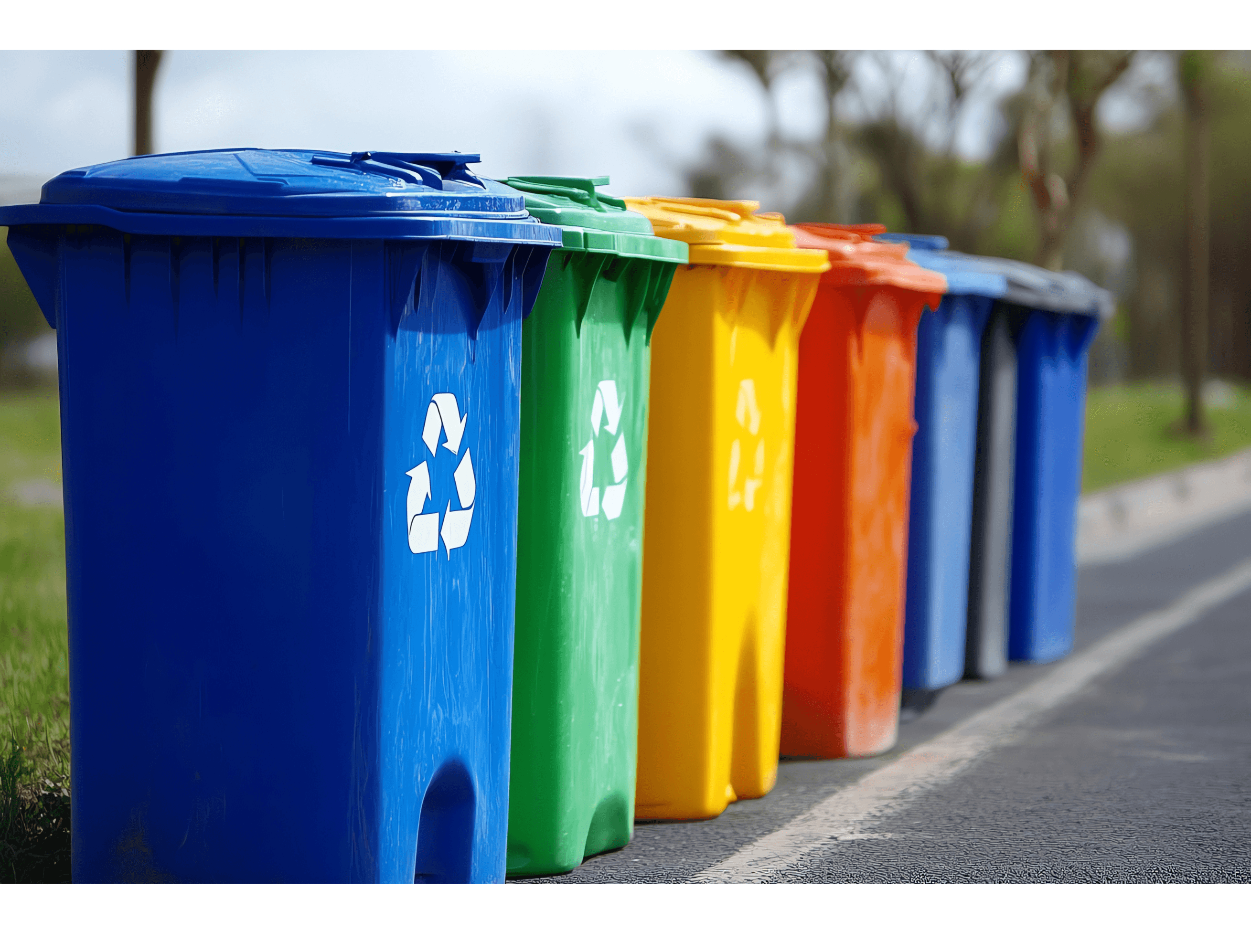
Integrated Waste Management Service
Integrated Waste Management Service
Integrated Waste Management Service
Selective Collection
Waste Treatment
Waste Safe Disposal
ICT Integration
Organic Waste

Description
Organic waste represents a significant portion of household, institutional, and market waste. When mixed with other waste streams, it leads to odors, health risks, and environmental pollution.
COPED Group’s Organic Waste Management service provides a structured and hygienic system to separate, collect, treat, and recover organic waste, transforming it into valuable resources such as compost and renewable energy while supporting circular economy practices.
How the Service Works
01
Waste Audit
For proper planning, we assess the type and volume of organic waste generated by households, institutions, markets, or businesses.
02
Source Separation Guidance
Clients receive clear guidance on how to separate organic waste into 3 categories: cooked, uncooked and garden waste following COPED sorting guide
03
Collection and Storage in a waste corner
Organic waste is collected from the area of production to the waste corner using hygienic methods to prevent odors, pests, and contamination. Waste is stocked into closed green bins/containers waiting for evacuation
04
Transportation & Treatment
Collected waste is transported to approved treatment facilities for composting, protein recovery or any other biological processing methodology.
05
Energy Recovery
By a diegestor, organic waste can be transformed into sustainable energy solutions like biogas
Key benefits for sorting organic waste from other wastes
Environmental benefits
Reduces landfill waste and open dumping
Cuts greenhouse gas emissions (less methane from landfills)
Improves soil health through compost use
Reduces water and soil pollution
Resource recovery benefits
Enables composting and biogas production
Converts waste into valuable products (compost, animal proteins, biogas, electricity)
Returns nutrients to the soil
Supports circular economy practices
Health & sanitation benefits
Reduces bad odors and pest attraction
Improves cleanliness in homes, markets, and public spaces
Lowers disease risks linked to decomposing mixed waste
Economic benefits
Reduces waste collection and disposal costs
Creates green jobs in composting and recovery facilities
Generates income from compost or energy sales
Lowers fertilizer costs for farmers
Operational & governance benefits
Improves efficiency of waste collection and treatment
Reduces contamination of recyclable materials
Supports compliance with environmental regulations
System-wide benefits
Increases recycling and recovery rates
Extends landfill lifespan
Encourages responsible waste behavior
Selective Collection
Waste Treatment
Waste Safe Disposal
ICT Integration
Organic Waste
Description
Organic waste represents a significant portion of household, institutional, and market waste. When mixed with other waste streams, it leads to odors, health risks, and environmental pollution.
COPED Group’s Organic Waste Management service provides a structured and hygienic system to separate, collect, treat, and recover organic waste, transforming it into valuable resources such as compost and renewable energy while supporting circular economy practices.
How the Service Works
01
Waste Audit
For proper planning, we assess the type and volume of organic waste generated by households, institutions, markets, or businesses.
02
Source Separation Guidance
Clients receive clear guidance on how to separate organic waste into 3 categories: cooked, uncooked and garden waste following COPED sorting guide
03
Collection and Storage in a waste corner
Organic waste is collected from the area of production to the waste corner using hygienic methods to prevent odors, pests, and contamination. Waste is stocked into closed green bins/containers waiting for evacuation
04
Transportation & Treatment
Collected waste is transported to approved treatment facilities for composting, protein recovery or any other biological processing methodology.
05
Energy Recovery
By a diegestor, organic waste can be transformed into sustainable energy solutions like biogas
Key benefits for sorting organic waste from other wastes
Environmental benefits
Reduces landfill waste and open dumping
Cuts greenhouse gas emissions (less methane from landfills)
Improves soil health through compost use
Reduces water and soil pollution
Resource recovery benefits
Enables composting and biogas production
Converts waste into valuable products (compost, biogas, bio-slurry)
Returns nutrients to the soil
Supports circular economy practices
Health & sanitation benefits
Reduces bad odors and pest attraction
Improves cleanliness in homes, markets, and public spaces
Lowers disease risks linked to decomposing mixed waste
Economic benefits
Reduces waste collection and disposal costs
Creates green jobs in composting and biogas facilities
Generates income from compost or energy sales
Lowers fertilizer costs for farmers
Operational & governance benefits
Improves efficiency of waste collection and treatment
Reduces contamination of recyclable materials
Supports compliance with environmental regulations
System-wide benefits
Increases recycling and recovery rates
Extends landfill lifespan
Encourages responsible waste behavior
Selective Collection
Waste Treatment
Waste Safe Disposal
ICT Integration
Organic Waste
Description
Organic waste represents a significant portion of household, institutional, and market waste. When mixed with other waste streams, it leads to odors, health risks, and environmental pollution.
COPED Group’s Organic Waste Management service provides a structured and hygienic system to separate, collect, treat, and recover organic waste, transforming it into valuable resources such as compost and renewable energy while supporting circular economy practices.
How the Service Works
01
Waste Audit
For proper planning, we assess the type and volume of organic waste generated by households, institutions, markets, or businesses.
02
Source Separation Guidance
Clients receive clear guidance on how to separate organic waste into 3 categories: cooked, uncooked and garden waste following COPED sorting guide
03
Collection and Storage in a waste corner
Organic waste is collected from the area of production to the waste corner using hygienic methods to prevent odors, pests, and contamination. Waste is stocked into closed green bins/containers waiting for evacuation
04
Transportation & Treatment
Collected waste is transported to approved treatment facilities for composting, protein recovery or any other biological processing methodology.
05
Energy Recovery
By a diegestor, organic waste can be transformed into sustainable energy solutions like biogas
Key benefits for sorting organic waste from other wastes
Environmental benefits
Reduces landfill waste and open dumping
Cuts greenhouse gas emissions (less methane from landfills)
Improves soil health through compost use
Reduces water and soil pollution
Resource recovery benefits
Enables composting and biogas production
Converts waste into valuable products (compost, animal proteins, biogas, electricity)
Returns nutrients to the soil
Supports circular economy practices
Health & sanitation benefits
Reduces bad odors and pest attraction
Improves cleanliness in homes, markets, and public spaces
Lowers disease risks linked to decomposing mixed waste
Economic benefits
Reduces waste collection and disposal costs
Creates green jobs in composting and recovery facilities
Generates income from compost or energy sales
Lowers fertilizer costs for farmers
Operational & governance benefits
Improves efficiency of waste collection and treatment
Reduces contamination of recyclable materials
Supports compliance with environmental regulations
System-wide benefits
Increases recycling and recovery rates
Extends landfill lifespan
Encourages responsible waste behavior
Get in touch
Get in touch
Let’s Work Together
Let’s Work Together
Reach out now and discover how COPED Group can support your waste management goals.
Reach out now and discover how COPED Group can support your waste management goals.